London, UK, August 24, 2026 - Nine years after the Myanmar military launched genocidal attacks against the Rohingya on August 25, 2017, Rohingya in Rakhine State continue to face violence, arbitrary detention, forced labour, land confiscation, severe restrictions on movement and access to humanitarian assistance, and renewed displacement, said Burma Human Rights Network (BHRN) today. BHRN has documented the Myanmar military’s continuing persecution of the Rohingya as part of an ongoing genocide. The United League of Arakan (ULA) and its armed wing, the Arakan Army (AA), are also committing serious abuses against Rohingya in areas under their control.
On Rohingya Genocide Remembrance Day, BHRN remembers the Rohingya men, women and children who were killed, subjected to sexual violence, injured and driven from their homes during the 2017 attacks, as well as the survivors and families who have waited nine years for justice. Rohingya are still denied their identity and citizenship, restricted in their movement and ability to work, dispossessed of their land, and subjected to systematic discrimination, while those responsible for international crimes against them remain largely unpunished.
Nine years have passed since the Myanmar military launched its genocidal attacks, but Rohingya are still being persecuted and driven from their land,” said Kyaw Win, Executive Director of the Burma Human Rights Network. “The military leaders responsible for the 2017 attacks still have not faced justice, while Rohingya in Rakhine State continue to face serious abuses. Governments cannot mark this anniversary and then allow those responsible for these crimes to continue acting with impunity.
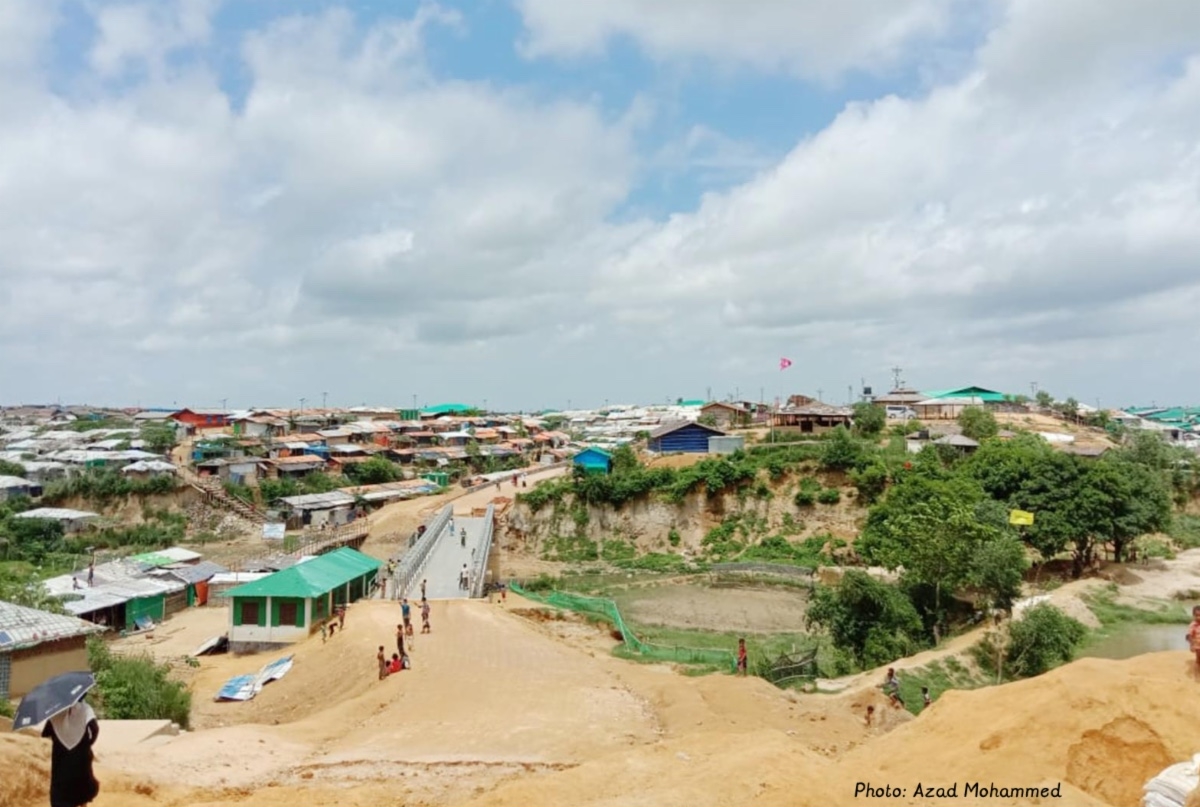
Around 1.2 million Rohingya refugees now live in Bangladesh, most of them in camps in Cox’s Bazar. Around 150,000 Rohingya have arrived since early 2024 as violence and persecution in Rakhine State have continued. Refugees in Bangladesh continue to face restrictions on movement and limited access to education and employment.
In areas under ULA/AA control, Rohingya have faced arbitrary detention, forced conscription, forced labour, extortion, confiscation of homes and land, and restrictions on movement and livelihoods. In June 2026, BHRN documented that the ULA/AA had forced more than 300 Rohingya from at least six villages in northern Maungdaw Township to build infrastructure for new ethnic Rakhine settlements on land confiscated from Rohingya.
Myanmar’s persecution of the Rohingya is rooted in decades of state discrimination and violence against Muslims. In 2025, BHRN published “You Will Have to Draw Pictures to Describe Us: The Genocidal Process and the Plight of Myanmar’s Muslims”, which documented how successive governments and military regimes have used discriminatory laws and policies, restrictions on citizenship and fundamental rights, and anti-Muslim propaganda to target Muslim communities across Myanmar. BHRN found that this persecution has intensified since the military coup in February 2021.
Nine years after the 2017 attacks, no senior Myanmar military leader has been held criminally accountable for crimes against the Rohingya. The International Court of Justice concluded hearings on the merits of The Gambia v. Myanmar in January 2026, and its judgment on whether Myanmar violated the Genocide Convention is pending. At the International Criminal Court, the Prosecutor’s November 2024 application for an arrest warrant for Min Aung Hlaing for the alleged crimes against humanity of deportation and persecution of the Rohingya remains pending before Pre-Trial Chamber I. In February 2025, a federal criminal court in Argentina ordered arrest warrants for 25 Myanmar military, security and civilian government officials in connection with genocide and crimes against humanity committed against the Rohingya.
United Nations member states should impose and enforce targeted sanctions against Myanmar military leaders, military-owned businesses and entities supplying the military with weapons, aviation fuel and other material used to commit atrocities. States should also work together to impose a global arms embargo on the Myanmar military. States should support international and universal jurisdiction efforts to hold perpetrators accountable, including the ICC investigation, The Gambia’s case at the ICJ, the work of the Independent Investigative Mechanism for Myanmar, and prosecutions before national courts. They should also ensure that Rohingya survivors can participate in justice processes without facing threats or retaliation.
The ULA/AA should immediately end forced labour, forced conscription, arbitrary detention, land confiscation and discriminatory restrictions imposed on Rohingya. It should restore confiscated land and property to Rohingya owners, respect Rohingya identity, and allow humanitarian agencies full and safe access to Rohingya communities.
Bangladesh should protect Rohingya refugees and expand access to education, employment and freedom of movement. International donors should fully fund humanitarian assistance for Rohingya refugees. No Rohingya should be pressured or forced to return to Myanmar. Any return must be voluntary, safe, dignified and sustainable. Rohingya must have full citizenship, freedom of movement and equal protection under the law, and must have a real say in decisions about their return and future.
Rohingya have waited nine years for justice, citizenship and the right to return home safely,” said Kyaw Win. “They should not be asked to wait another year. Rohingya cannot return safely while Myanmar denies them citizenship, freedom of movement and recognition of their identity, and while their land continues to be confiscated. Those responsible for international crimes must face justice, and Rohingya must have a decisive voice in decisions about their future.
Organisation’s Background
BHRN is based in London and operates across Burma/Myanmar working for human rights, minority rights and religious freedom in the country. BHRN has played a crucial role in advocating for human rights and religious freedom with politicians and world leaders.
Media Enquiries
Please contact:
Kyaw Win
Executive Director
Burma Human Rights Network (BHRN)
E: This email address is being protected from spambots. You need JavaScript enabled to view it.
T: +44(0) 740 345 2378
BHRN's Full Press Statement PDF File
