- Hits: 374

This report systematically documents and analyzes hate speech identified on social media platforms in Myanmar throughout the year 2025. The study involves monitoring online platforms, recording instances of hate speech, and analyzing the patterns and implications of such content. A total of 943 instances of hate speech found on social media platforms were systematically recorded. The report analyzes the platforms through which hate speech was disseminated, the key terms and narratives used, the social groups targeted, and the potential risks from a human rights perspective. The report is intended to support human rights organizations, policy discussion groups, civil society organizations, international organizations, and institutions engaged in Myanmar-related political and policy issues. It primarily highlights the patterns of hate speech and their impacts on society.
- Hits: 769

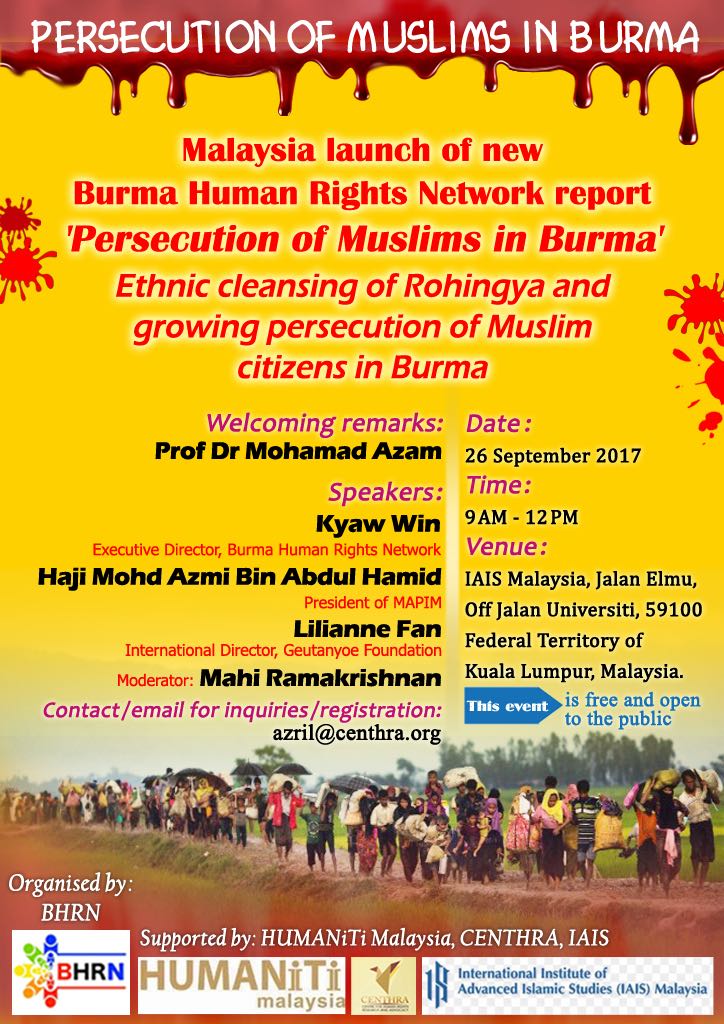
London, UK, October 2, 2025—The Burma Human Rights Network today releases "You will have to draw pictures to describe us: The Genocidal Process and the Plight of Myanmar’s Muslims," a comprehensive report documenting a state-engineered campaign of persecution against Muslim populations across Burma spanning from 1962 Ne Win coup the power to the present day.
The investigation reveals that Burma's military junta is advancing a decades-long genocidal process against around 15% Muslims population of the 55 million total population of Burma. There are six major Muslim ethnic groups exist in Burma – Pathi, Rohingya, Pashu, Kaman, Panthay, and Myaydu. This systematic persecution spans military dictatorships as well as civilian rule, and has accelerated since the 2021 coup.
- Hits: 1197

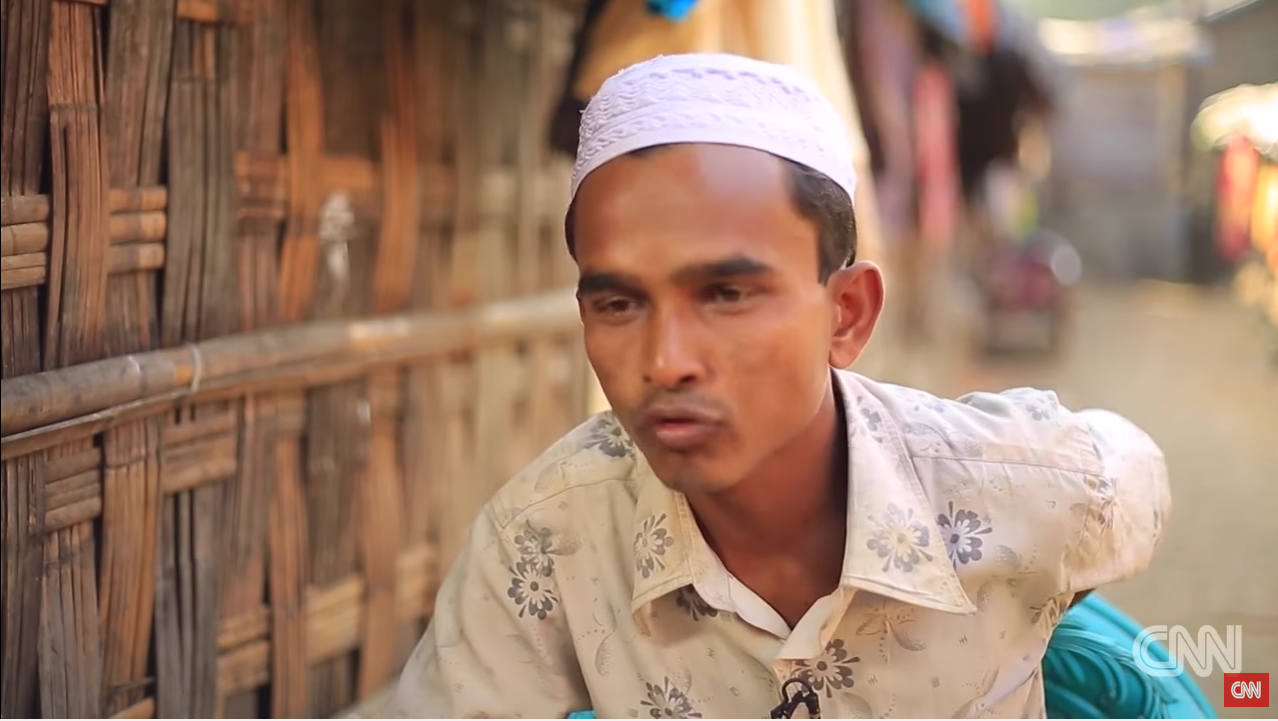
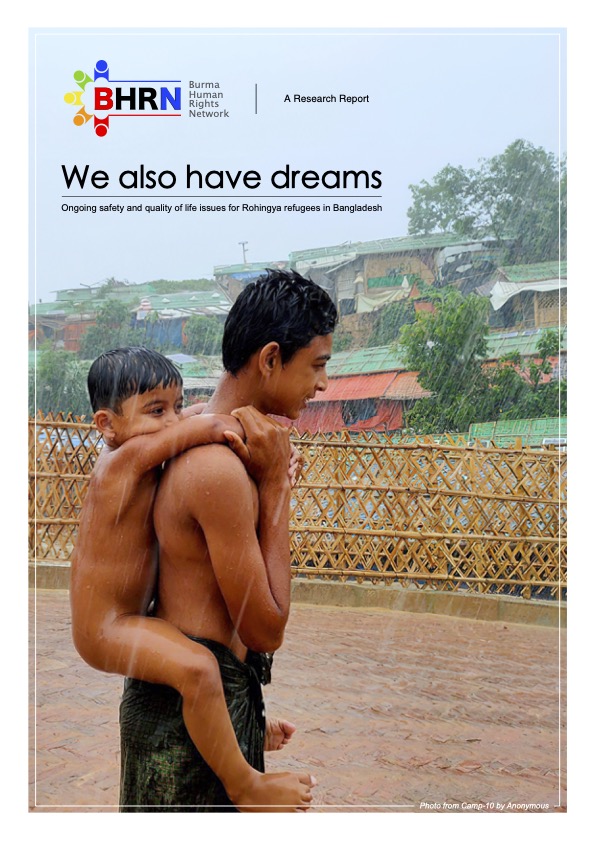
Rohingya women human rights defenders (WHRDs) in Bangladesh face severe restrictions, violence, and threats from both state and non-state actors. Despite the essential role they play in advocating for their communities, they are systematically repressed by Bangladeshi authorities, criminal and militant groups like the Arakan Rohingya Salvation Army (ARSA), and conservative social norms that seek to silence them. WHRDs who speak out about human rights abuses, seek justice, or engage in civil society work face intimidation, surveillance, and targeted attacks. In the words of one Rohingya woman interviewed by BHRN: “Everywhere women are being restricted, and we are not allowed to do activities like men.”
The Rohingya, a predominantly Muslim ethnic minority from Myanmar, have faced decades of persecution and genocide. In 2017, the Myanmar military launched a genocidal campaign, forcing more than 730,000 Rohingya to flee to Bangladesh. Today, nearly one million Rohingya refugees remain confined to overcrowded camps, where they face movement restrictions, limited access to education and employment, and an escalating crackdown on civil society. Rohingya women are particularly marginalized, excluded from leadership structures, and denied opportunities to advocate for their rights.